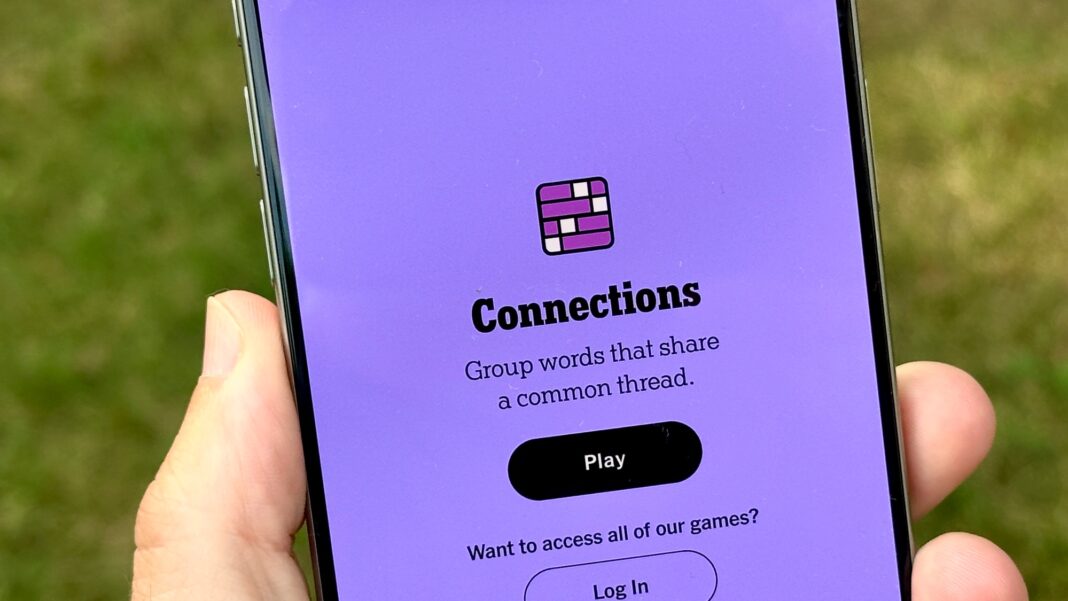
Have you ever opened a puzzle and thought, “These words look simple… but why can’t I solve it?” That is what happens with nytimes connections.
It looks easy at first, but it really tests your brain.
In this guide, I will explain everything about nytimes connections in a very simple way. Let’s understand step by step.
What is NYTimes Connections?
NYTimes Connections is a daily word puzzle game.
In this game:
- You get 16 words
- You must group them into 4 sets
- Each set has 4 related words
Your goal is to find the correct groups.
Sounds easy? It is tricky.
How NYTimes Connections Works
Let’s keep it very simple.
You see 16 words.
Your job is to:
- Find 4 words that match
- Put them in one group
- Repeat until all groups are done
Each group has a theme.
Example:
- Apple, Banana, Orange, Mango → Fruits
That is one group.
Why NYTimes Connections Is So Popular
People love this game. Why?
- It is simple to start
- It challenges your brain
- It feels fun and rewarding
Also, it is a daily puzzle. So players come back every day.
Types of Groups in NYTimes Connections
The game is not always obvious.
Groups can be based on:
Categories
Fruits, animals, colors
Word Patterns
Words that rhyme or start the same
Hidden Meanings
Words that connect in a tricky way
Pop Culture
Movies, brands, or famous names
This is why the game feels challenging.
Difficulty Levels in NYTimes Connections
Each group has a different difficulty.
Usually:
- Easy group
- Medium group
- Hard group
- Very tricky group
The hardest one often confuses players.
Tips to Solve NYTimes Connections Faster
Let’s help you win more.
Look for Obvious Groups First
Start with easy matches.
Read Words Carefully
Small details matter.
Think in Different Ways
Words can have more than one meaning.
Eliminate Wrong Choices
Remove words that don’t fit.
Stay Calm
Don’t rush. Think clearly.
Common Mistakes Players Make
Avoid these mistakes:
- Guessing randomly
- Ignoring hidden meanings
- Sticking to one idea only
- Not rechecking groups
Take your time. That is the key.
How NYTimes Connections Improves Your Brain
This game is not just fun.
It helps your brain.
- Improves memory
- Builds vocabulary
- Boosts thinking skills
- Trains problem-solving
Experts in cognitive science agree that word puzzles help improve mental sharpness and brain activity.
Real-Life Example
Let’s try a simple example.
Words:
- Dog, Cat, Tiger, Lion
What is the group?
Animals.
Now imagine harder words. That is how the real game works.
NYTimes Connections vs Other Puzzle Games
Let’s compare.
NYTimes Connections
- Focus on grouping
- Requires thinking
- Uses word relations
Word Search
- Find hidden words
- Less thinking
Crossword
- Fill answers
- Requires knowledge
Each game is fun, but Connections is more about logic.
How to Practice NYTimes Connections
Want to get better?
- Play daily
- Learn new words
- Practice similar puzzles
- Review your mistakes
Slowly, you will improve.
Is NYTimes Connections Hard for Beginners?
At first, yes.
But don’t worry.
- Start simple
- Practice regularly
- Learn patterns
Soon, it becomes easier.
Why You Should Play NYTimes Connections
Here’s why it is worth your time:
- Keeps your brain active
- Reduces boredom
- Improves focus
- Feels rewarding
Even 10 minutes a day helps.
Tricks Experts Use
Let’s share some smart tricks.
Group by Meaning First
Look for clear categories.
Watch for Wordplay
Some words are tricky.
Think Outside the Box
Not everything is direct.
Stay Flexible
Change your thinking if needed.
Experts use these methods to solve puzzles faster.
Daily Habit for Better Results
Make it a routine.
- Play at the same time daily
- Focus without distraction
- Learn from mistakes
Consistency brings improvement.
Conclusion
NYTimes connections is a fun and smart puzzle that challenges your thinking.
It may look simple, but it needs focus and creativity.
If you practice daily and use smart strategies, you will get better.
So next time you open the puzzle, don’t feel stuck.
Stay calm, think smart, and enjoy the game.
FAQs
What is NYTimes Connections puzzle?
NYTimes Connections is a daily word game where you group 16 words into 4 sets based on a common connection or theme.
How do I get better at NYTimes Connections?
You can improve by practicing daily, learning new words, and thinking in different ways. Start with easy groups and slowly move to harder ones.
Is NYTimes Connections free to play?
Some versions are free, but full access may require a subscription to The New York Times games section.
Why is NYTimes Connections sometimes difficult?
The puzzle can be tricky because words may have multiple meanings or hidden connections. This makes it more challenging and interesting.
Can beginners play NYTimes Connections easily?
Yes, beginners can play it. It may feel hard at first, but with regular practice, it becomes easier and more fun.